Asia, Australia, Central America, North America, South America, Eastern Europe, Western Europe, Middle East, Africa
Main Domestic Market
All India
Certifications
ISO 9001:2015
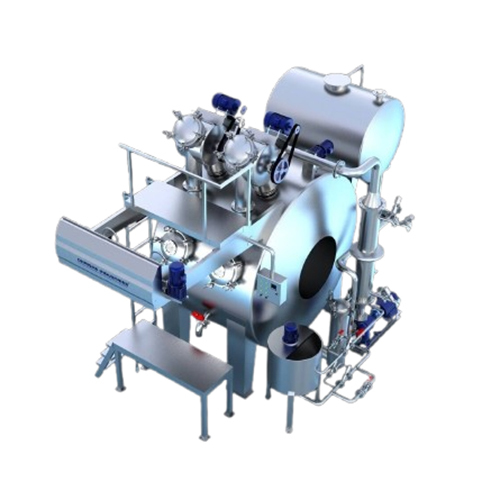
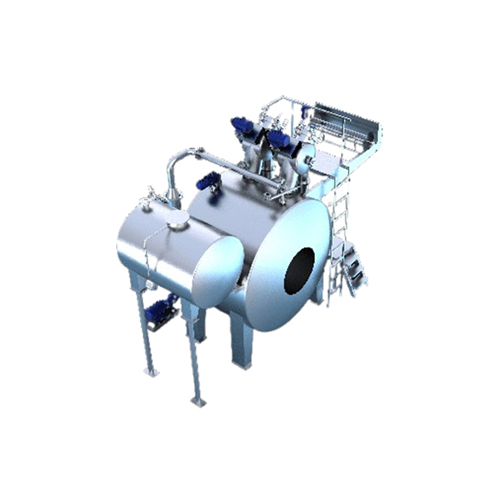
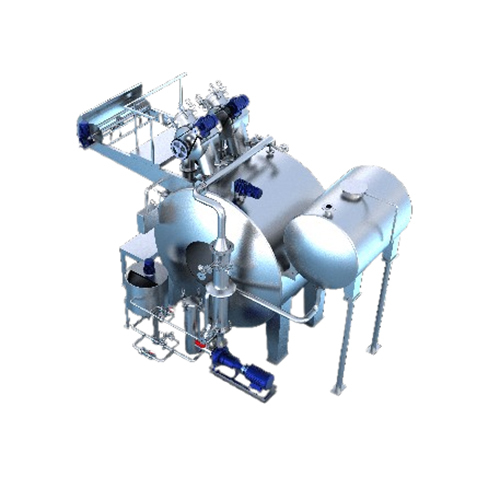
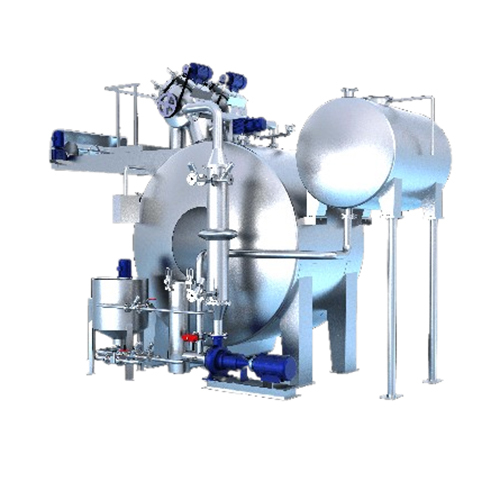
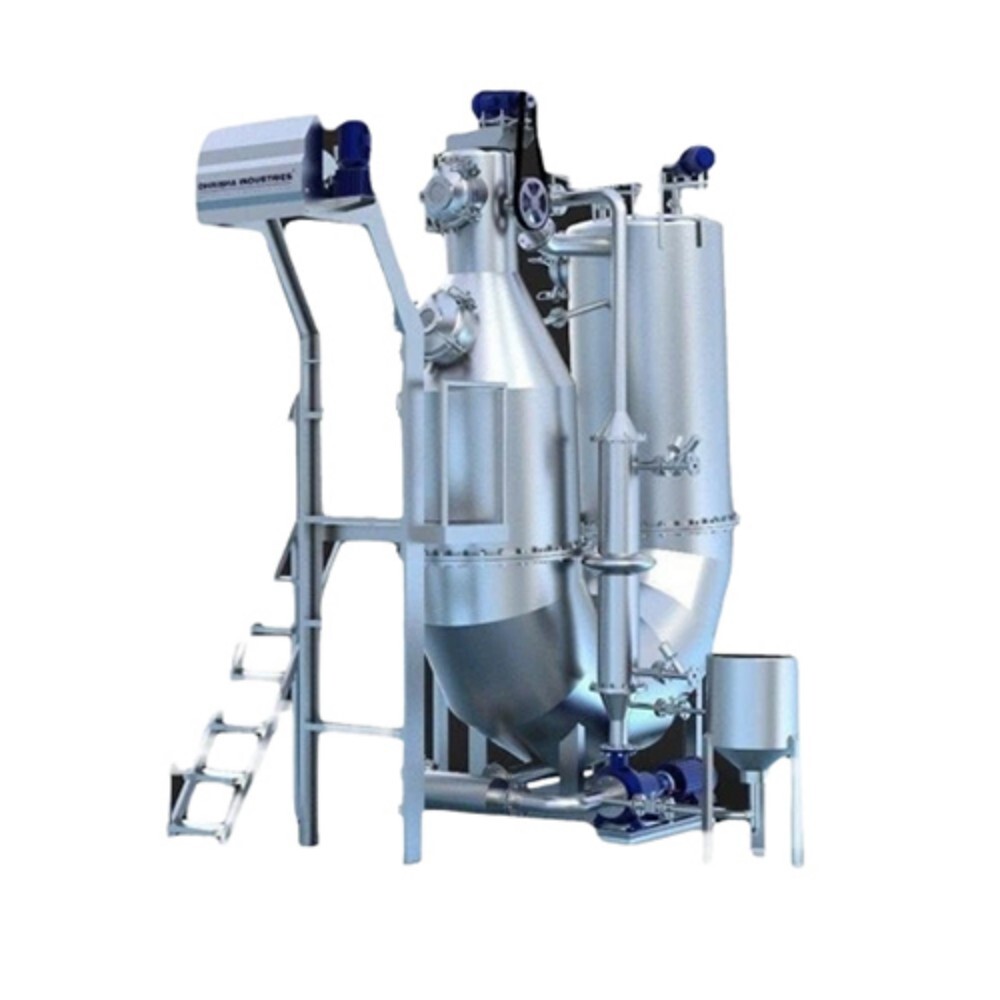
About soft flow Dyeing Machine
General Description:
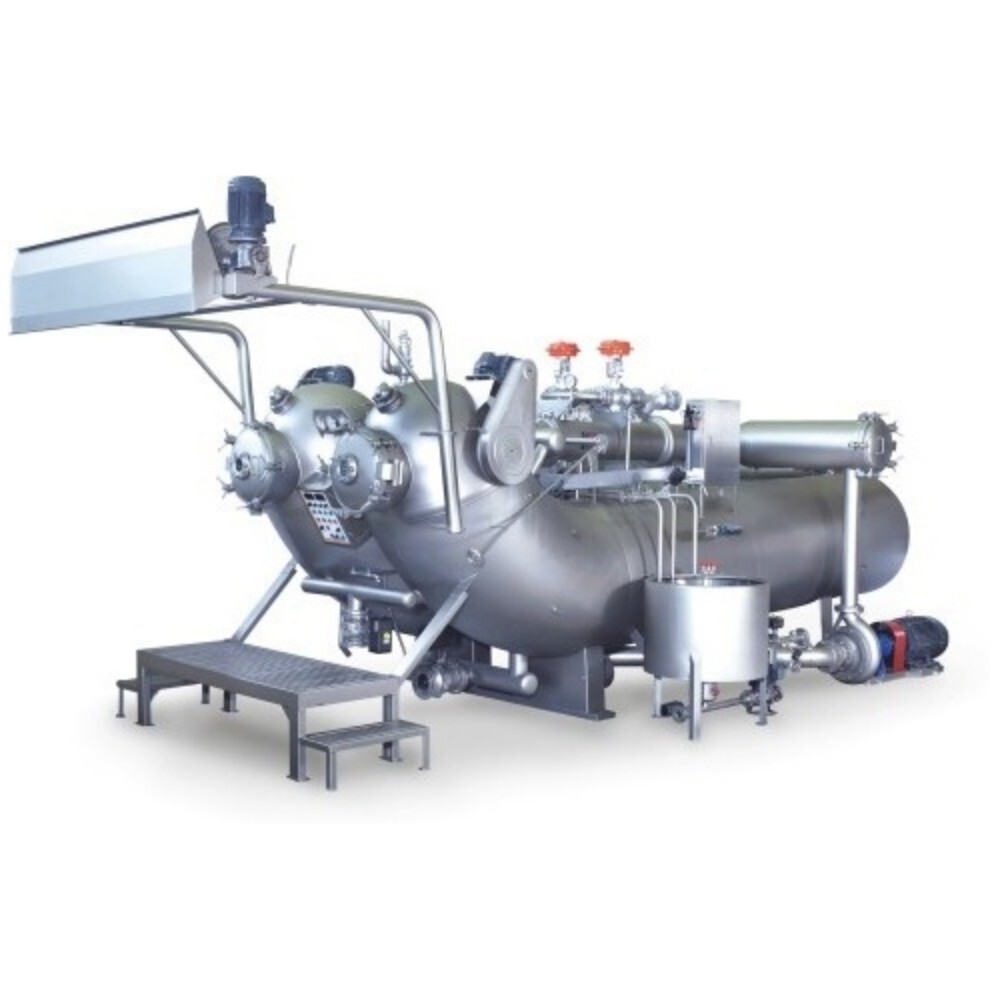
Soft flow dyeing machines are designed for dyeing various types of fabrics, especially delicate and sensitive ones like knits, without causing damage such as pilling, creasing, or distortion.They operate with a gentle flow of dye liquor, often at a low liquor ratio, which contributes to reduced water and chemical consumption, as well as shorter processing times.The fabric is typically circulated in rope form.
Key Features and Exclusive Aspects:
Soft Flow Nozzle: Employs a specially designed nozzle (often ball-type or cup-type) that ensures a gentle, low-pressure, high-volume flow of dye liquor, minimizing stress on the fabric.Some machines feature adjustable nozzles for versatility.
Low Liquor Ratio: Operates with a significantly lower liquor-to-fabric ratio (e.g., 1:5, 1:6, or even lower for wet fabric) compared to conventional dyeing machines, leading to savings in water, energy, and chemicals.
Fabric Transport System:Utilizes a fabric drive reel, often with an AC motor and frequency controller, to move the fabric smoothly through the dye bath.Some advanced designs include twin flow concepts or curved nozzles for even gentler handling.
Material of Construction: The main vessel and parts in contact with the dye liquor are typically made of high-grade stainless steel (AISI SS 316 or 316L) for excellent corrosion resistance.
Efficient Heat Exchanger:Designed for rapid and uniform heating and cooling of the dye bath, contributing to shorter dyeing cycles.
Filtration System: Includes filters that are easy to clean, even during the dyeing process, to maintain liquor quality.
Automation: Many modern soft flow dyeing machines come with PLC-based automatic control systems for precise control of time, temperature, and other process parameters, ensuring reproducibility and reducing manual intervention.
Optional Features: These can include flow meters, seam detectors, fully automatic operation with PLCs, color kitchen systems with dosing capabilities, and more.
Technical Specifications (vary by model and manufacturer):
Capacity: Ranges from small laboratory machines (1-10 kg) to large industrial machines (up to 1000 kg or more per batch).
Maximum Working Temperature:Typically up to 130-140C, suitable for high-temperature dyeing processes. Some atmospheric soft flow machines operate at lower temperatures (up to 98C) for specific fabric types.
Fabric GSM (Grams per Square Meter): Can dye fabrics ranging from lightweight (30 g/m) to heavyweight (up to 450 g/m or more), both woven and knitted.
Liquor Ratio: As mentioned, often very low, starting from 1:5 or 1:6.
Fabric Speed:Can achieve high fabric speeds (e.g., up to 200-300 m/min, or even higher in some models), depending on the fabric type and machine design.
Heating/Cooling Rates: Designed for rapid temperature changes (e.g., heating rates of 3-4C/min and cooling rates of 3-4C/min).
Working Pressure: Typically up to 3-4 kg/cm.
Power Consumption: Varies significantly based on the machine capacity and features (e.g., from 5 HP to 50 HP or more).
Number of Tubes: Some machines have multiple dyeing tubes for increased productivity.
Applications:
Soft flow dyeing machines are versatile and suitable for a wide range of fabrics, including:
Knitted Fabrics: Ideal for delicate knits like cotton jersey, interlock, lycra blends, and hosiery, minimizing the risk of damage.
Woven Fabrics: Can also process various woven fabrics, including cotton, polyester, and their blends.
Sensitive Surface Structures: Well-suited for fabrics with delicate surfaces that are prone to pilling or abrasion.
Natural Fabrics: Effectively dyes natural fibers like cotton, wool, and viscose.
Synthetic Fabrics: Suitable for dyeing polyester, nylon, acrylic, and their blends.
Blended Fabrics: Can handle blends like polyester/cotton (T/C), polyester/rayon (T/R), and polyester/wool (T/W).
Specific Applications: Used for dyeing apparel, terry towels, velour, and elastic fabrics where gentle handling and uniform dyeing are crucial.
Efficient Fabric Dyeing Technology
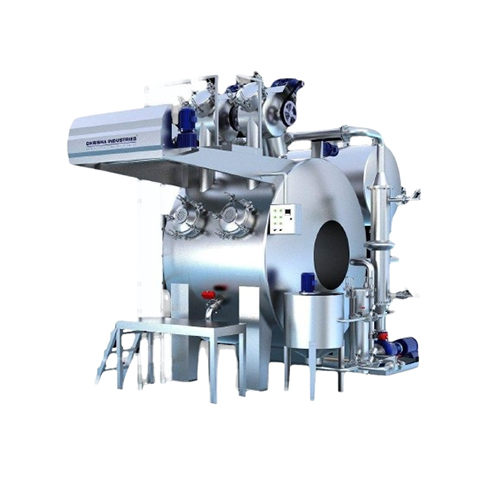
This soft flow dyeing machine enables rapid and uniform dye penetration, thanks to its high-powered centrifugal pump and large chamber capacity. The semi-automatic control ensures user-friendly operation, allowing textile manufacturers to maintain consistent results with every batch. Its adaptability for a wide range of fabric types makes it a versatile addition to modern dyeing facilities.
Built for High Capacity and Stability
With the ability to handle up to 600 kg of fabric at a time and a maximum fabric width of 2500 mm, this machine is tailored for industrial-scale dyeing needs. The sturdy 3500 kg frame ensures operational stability, reducing downtime and improving productivity. Its thoughtful design allows it to withstand rigorous working conditions and high temperatures.
FAQs of soft flow Dyeing Machine:
Q: How does the soft flow dyeing machine ensure even distribution of dye?
A: The machine uses a centrifugal pump to circulate the dye uniformly through the fabric. The two-chamber design and soft flow technology minimize tangling while enabling even dye penetration, resulting in consistent color outcomes across large batches.
Q: What types of fabrics can be processed with this dyeing machine?
A: It is suitable for a wide range of textile materials, including knitted, woven, or delicate fabrics. The adjustable chamber and semi-automatic control allow for smooth operation regardless of fabric type or thickness.
Q: When is the ideal time to use the soft flow dyeing machine in textile production?
A: This machine is optimal for dyeing processes after fabric preparation but before post-treatment steps like finishing. It is particularly effective for large-volume, industrial dyeing needs in manufacturing plants.
Q: Where is this soft flow dyeing machine typically installed?
A: These machines are commonly found in textile mills, dye houses, and manufacturing facilities across India, where high-capacity and reliable dyeing are required for production demands.
Q: What is the process for operating the machine safely and efficiently?
A: Operators should load the machine with up to 600 kg of fabric, set the required temperature (up to 120C), and use the semi-automatic control system for monitored dye dispersal. Regular maintenance of the pump and chamber is recommended for continuous stable operation.
Q: What are the main benefits of using this machine for textile dyeing?
A: The machine offers stable operations, high throughput, and energy-efficient fabric dyeing. Its semi-automatic controls simplify handling, while robust construction ensures longevity and reduced maintenance costs for manufacturers.
Tell us about your requirement
Price:
Quantity
Select Unit
50
100
200
250
500
1000+
Additional detail
Mobile number
Email
Name
Comapny Name
Phone Number
Email Id
City / State
Confirm Your Requirement
Verification Code
Did not receive yet?
Resend OTP
You’re Done!
We have received your requirements and will reply shortly with the best price.






 Send Inquiry


 Send Inquiry